MOHINI TYRE WORKS – MTW
Tyre Glossary
All you need to know about tyres and more.
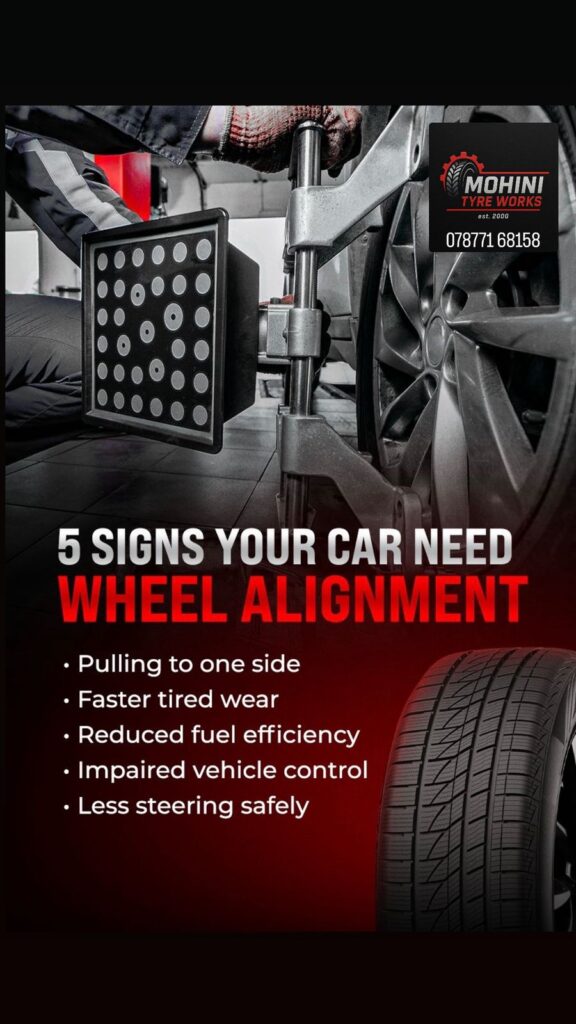
AlignmentThe geometry of your vehicle’s suspension, which determines each tyre’s contact patch with the road.
It primarily consists of three elements – caster, camber and toe.
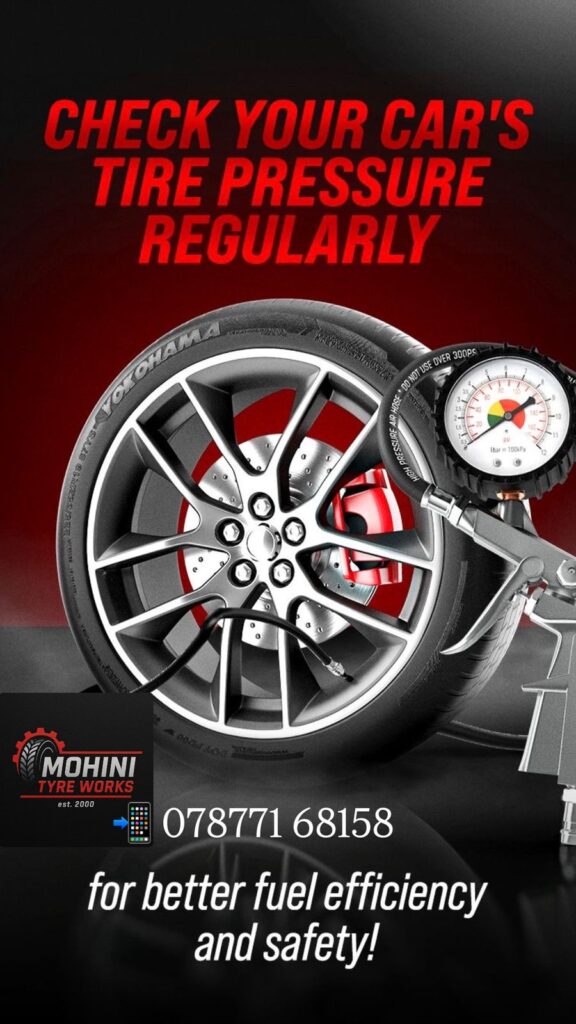
Air PressureThe pressure of the air inside a tyre. Tyre pressure is usually measured in psi but can also be referenced in kPa.
Aspect RatioSection height divided by section width, expressed as a percentage. The higher the figure, the higher the tyre’s section height.
CamberWhen viewing your vehicle from the front, camber describes the inward or outward tilt of your tyres. Camber adjustment maximizes the tyre-to-road contact, and takes into account the changes of force when a vehicle is turning.
Cold Inflation PressureThe pressure of a tyre before the vehicle is driven and the tyre is warmed up.
Inner linerThe lining inside a tyre that prevents air leaking.
Load IndexThe maximum load a tyre can carry at the speed indicated by its speed symbol, under specified service conditions. This is expressed as a numerical code.
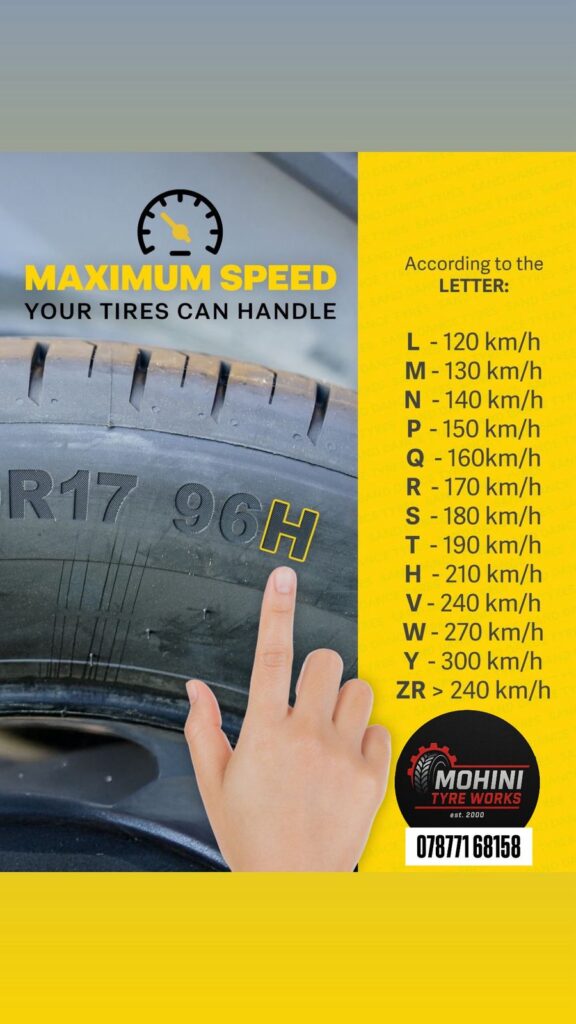
Speed SymbolThe maximum speed at which the tyre can carry a load under specified service conditions.
PSIStands for ‘Pounds per square inch’ and is a standard measurement of pressure. It is the amount of force exerted over one square inch.
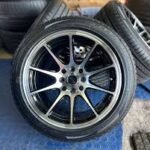
RimThe component physically mounted to the vehicle that the tyre sits on. Often used interchangeably with wheel.
Rolling ResistanceThe frictional force resisting the rotation of a tyre. The lower the rolling resistance, the less fuel is required to move and maintain vehicle motion.
Run Flat Technology tyresTyres designed to run in a low or no-air situation for a limited distance and speed. This allows the driver to maintain control of the vehicle in case of a puncture, and drive to safety even when the tyre is completely deflated.
SidewallThe part of a tyre between the edge of the wheel and tread.
SipesSmall slots in a tyre’s tread.
Tyre SizeA set of numbers and letters that define a tyre’s specifications, such as section width, aspect ratio, speed rating, load rating and diameter of the wheel the tyre is made to fit on.
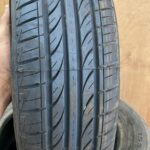
TreadThe part of the tyre that contacts the road.
Treadwear IndicatorA marker found in several places in the main tread grooves to indicate when the tread is fully worn.
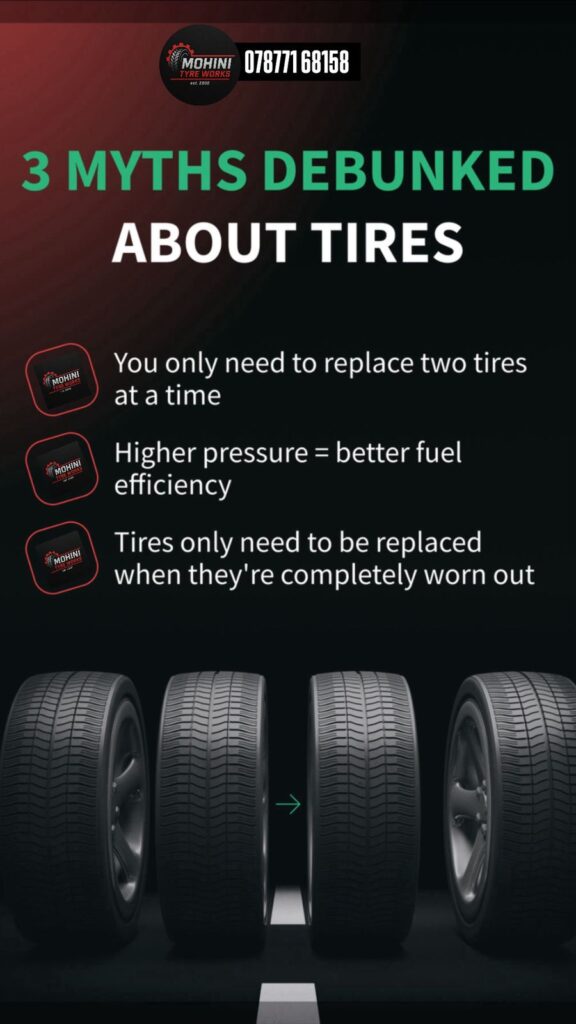
UnderinflationA tyre that is not sufficiently inflated,. This can cause excessive wear, poor handling, and increased rolling resistance.
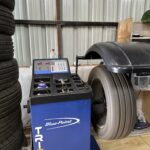
Wheel balancingBalancing a wheel ensures that the wheel rotates smoothly without heavy points. This prevents vibration and uneven tyre wear.
Winter TyresTyres utilising specific patterns and compounds specifically designed to be used on winter roads – ice, snow and water.
Tyre Glossary
All you need to know about tyres and more.The geometry of your vehicle’s suspension, which determines each tyre’s contact patch with the road.
It primarily consists of three elements – caster, camber and toe.
Air Pressure
The pressure of the air inside a tyre. Tyre pressure is usually measured in psi but can also be referenced in kPa.
Aspect Ratio
Section height divided by section width, expressed as a percentage. The higher the figure, the higher the tyre’s section height.
Camber
When viewing your vehicle from the front, camber describes the inward or outward tilt of your tyres. Camber adjustment maximizes the tyre-to-road contact, and takes into account the changes of force when a vehicle is turning.
Cold Inflation Pressure
The pressure of a tyre before the vehicle is driven and the tyre is warmed up.
The lining inside a tyre that prevents air leaking.
Load Index
The maximum load a tyre can carry at the speed indicated by its speed symbol, under specified service conditions. This is expressed as a numerical code.
Speed Symbol
The maximum speed at which the tyre can carry a load under specified service conditions.
PSI
Stands for ‘Pounds per square inch’ and is a standard measurement of pressure. It is the amount of force exerted over one square inch.
Rim
The component physically mounted to the vehicle that the tyre sits on. Often used interchangeably with wheel.
The frictional force resisting the rotation of a tyre. The lower the rolling resistance, the less fuel is required to move and maintain vehicle motion.
Run Flat Technology tyres
Tyres designed to run in a low or no-air situation for a limited distance and speed. This allows the driver to maintain control of the vehicle in case of a puncture, and drive to safety even when the tyre is completely deflated.
Sidewall
The part of a tyre between the edge of the wheel and tread.
Sipes
Small slots in a tyre’s tread.
Tyre Size
A set of numbers and letters that define a tyre’s specifications, such as section width, aspect ratio, speed rating, load rating and diameter of the wheel the tyre is made to fit on.
The part of the tyre that contacts the road.
Treadwear Indicator
A marker found in several places in the main tread grooves to indicate when the tread is fully worn.
Underinflation
A tyre that is not sufficiently inflated,. This can cause excessive wear, poor handling, and increased rolling resistance.
Wheel balancing
Balancing a wheel ensures that the wheel rotates smoothly without heavy points. This prevents vibration and uneven tyre wear.
Winter Tyres
Tyres utilising specific patterns and compounds specifically designed to be used on winter roads – ice, snow and water.